There are numerous healthcare professionals today who are eager for the flexibility that working across states can offer. Roles such as travel nursing, telehealth, and contract positions are growing rapidly and often require multi-state licensure to remain compliant and adaptable.
This type of flexibility can create opportunities for new experiences and exposure to diverse work environments. Knowing the licensing process thoroughly can save time and prevent delays in starting a new position. Each healthcare license has specific requirements for obtaining and renewing it, depending on the state.
Knowing these requirements ahead of time can make the whole process much smoother. This blog explains the basics for clinicians who want to safely expand their careers to more than one state.
In this blog, you will also learn how to apply for a multi-state licensure, how to stay compliant, and how to leverage the experience of working across state boards to advance your healthcare career further.
Multi-state licensure explained
Having a multi-state license allows clinicians to practice in multiple states under a single approved credential. You can apply for allied healthcare jobs as a physician assistant to access clinical healthcare jobs across different regions. The flexibility, like being able to work across states, also gives you the freedom to work with diverse patient populations and explore various clinical settings.
A health care license is attached to where you live and to the rules of that state. Understanding your eligibility and certification status helps ensure you meet local requirements before applying. Clinicians should also update their resumes and stay up to date with the rules established by state boards to avoid delays.
Each state has its own specific regulations when applying for licensure. So, keeping track of regular updates related to certifications and your resume can prevent unexpected issues with your license.
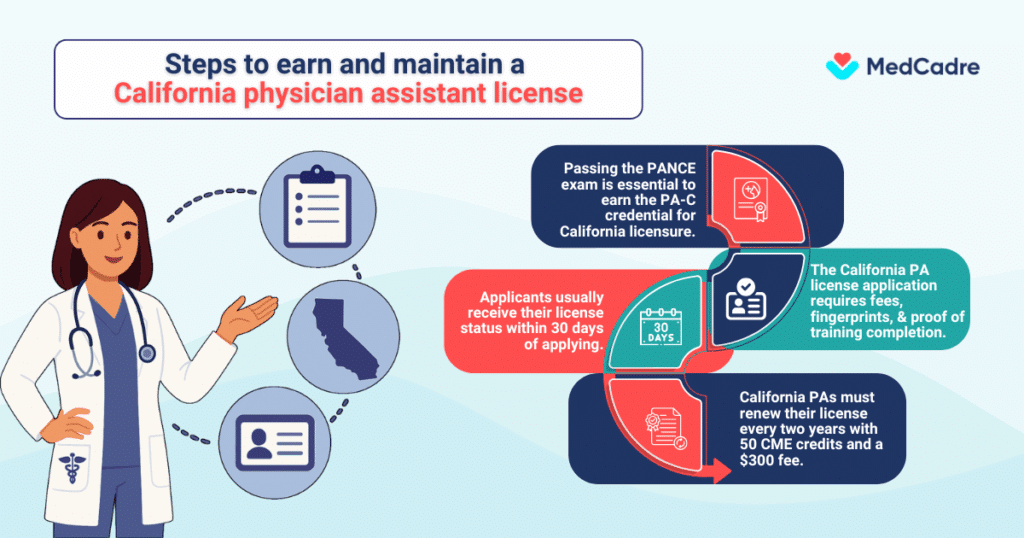
For example, California may have different requirements than New York. So, keeping your certifications current strengthens your professional credibility and can open doors to better opportunities. An infographic detailing the physician assistant role and highlighting key steps in the licensing process is attached.
Compact agreements that streamline licensure
Several compacts create an easier path for multi-state licensing. The nurse licensure compact (NLC) allows registered nurses and LPNs to apply for one license to practice in all compact member states.
Physicians can apply through the Interstate Medical Licensure Compact, and physical therapists can apply through the PT Compact to work more easily in multiple states. Joining these compacts can save you a lot of time and reduce paperwork when expanding your practice.
Compacts benefit clinicians by offering:
- Faster application processing across states.
- Simplified renewals for one medical license.
- More opportunities for clinical healthcare jobs with higher salaries and career growth.
Healthcare roles such as occupational therapists also benefit from these compacts, allowing them to work in multiple states without needing separate licenses. Such flexibility can help you plan your career path more strategically and take advantage of different job markets.
Compensation insights for registered nurses across states
Before applying for multi-state licensure, clinicians need to have all necessary documents ready. These documents include certifications, education records, resumes, and proof of identity.
While you apply for a job role, each state reviews your medical license, background checks, and work history before approving your license. Remember that fees and processing times differ, so check each state carefully before applying. Being well-prepared by reviewing salaries for negotiation can make the application process much less stressful.
When preparing to apply:
- Confirm your home state is part of the compact.
- Keep proof of your certifications and skills ready.
- Track renewal dates to avoid lapses in your health care license.
If you plan to apply as a registered nurse, you can explore opportunities across multiple states. You will usually need verified credentials, and the role can offer good salaries based on your experience and skills.
Gaining valuable experience also strengthens your resume for future opportunities. A detailed infographic below illustrates the salaries of registered nurses in the USA for better understanding.
Salaries of registered nurses across the state in the USA
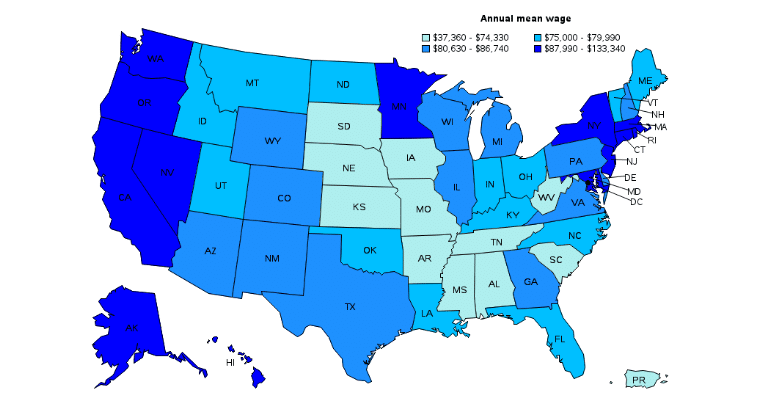
Source: www.bls.gov
Upholding licensure requirements and avoiding compliance issues
Once approved for licensure in multiple states, it is essential to maintain full compliance. Clinicians must be aware of renewal timelines for their health care license and complete the required continuing education.
If you move to another state, your eligibility may change, so be sure to report any address updates promptly. Regularly reviewing your license status helps prevent interruptions in your ability to practice.
Professionals applying for a compact license must follow the practice laws of each state in which they are working. Staying aware of renewal requirements ensures you remain qualified to work.
To ensure smooth practice, nurse practitioners must pay close attention to state-specific regulations when practicing across state lines. Keeping your records and certifications organized will help avoid delays or legal issues and support a stable, long-term career in healthcare. Good professional habits, such as a detailed calendar, also make renewing licenses and certifications much easier.
Finding the right path to a multi-state healthcare career
If you are looking to advance your healthcare career with a multi-state licensure, consider these opportunities. It is essential to understand the requirements in your state. Each state generally has some eligibility rules, including certifications, verified experience, and active licenses.
Once you have all of your requirements organized, the next step is to find a healthcare staffing platform to help you discover opportunities in the state of your choice. Many clinicians start by searching free job boards. However, you will quickly find that a lot of the job postings are outdated and fail to represent all of the opportunities available to you. These unsuitable job role results can lead some people to reach out to traditional staffing agencies, which may seem much easier at first.
Yet, you quickly discover that the process of placing a clinician is much slower, communication is limited, and the pay often lacks clarity.
For someone with an active license, this process quickly becomes frustrating and time-consuming. As a result, many healthcare professionals have turned to dedicated modern staffing platforms such as MedCadre, which actively connects clinicians with verified clinical healthcare jobs. This platform also comes with multiple benefits.
Here are some key benefits of using MedCadre:
- Flexible application process lets you manage your job search at your own pace while maintaining your current responsibilities.
- Transparent pricing structure ensures a larger portion of the billing rate goes directly toward your compensation.
- AI-driven credentialing system speeds up approvals by nearly 30%, helping you start your assignment on time.
You can check MedCadre’s current openings page. If you do not find a suitable job role, you are welcome to submit your CV and connect with opportunities suited to your skills, certifications, and licensure.
Many professionals find MedCadre more efficient than traditional agencies. It also makes the process less stressful. With sufficient preparation and support, your multi-state licensure options can become more feasible and better tailored to your goals.
FAQ
Which roles typically require multi-state licensure?
Roles such as registered nurses, nurse practitioners, physician assistants, and physical therapists often benefit from multi-state licensure. These roles usually require verified credentials, certifications, and active healthcare licenses.
What are the benefits of multi-state licensing?
Multi-state licensure enables clinicians to access broader career opportunities, increase earning potential, and gain experience across different healthcare settings. It also helps maintain compliance with state-specific licensing requirements.
How do I maintain compliance with multi-state licensing?
Clinicians must regularly renew their health care license, keep certifications up to date, and stay informed about state-specific practice regulations. Following this process ensures uninterrupted eligibility to practice across states.
How can MedCadre help me find multi-state healthcare jobs?
MedCadre connects clinicians with verified clinical healthcare jobs in multiple states. You can browse the current jobs page, submit your CV, and get matched with opportunities that fit your credentials, licensure, and experience without delays.
Can I apply for jobs through MedCadre while keeping my current role?
Yes. MedCadre’s flexible application process lets you manage your job search at your own pace while maintaining your current responsibilities, making it easier to explore opportunities without career interruptions.