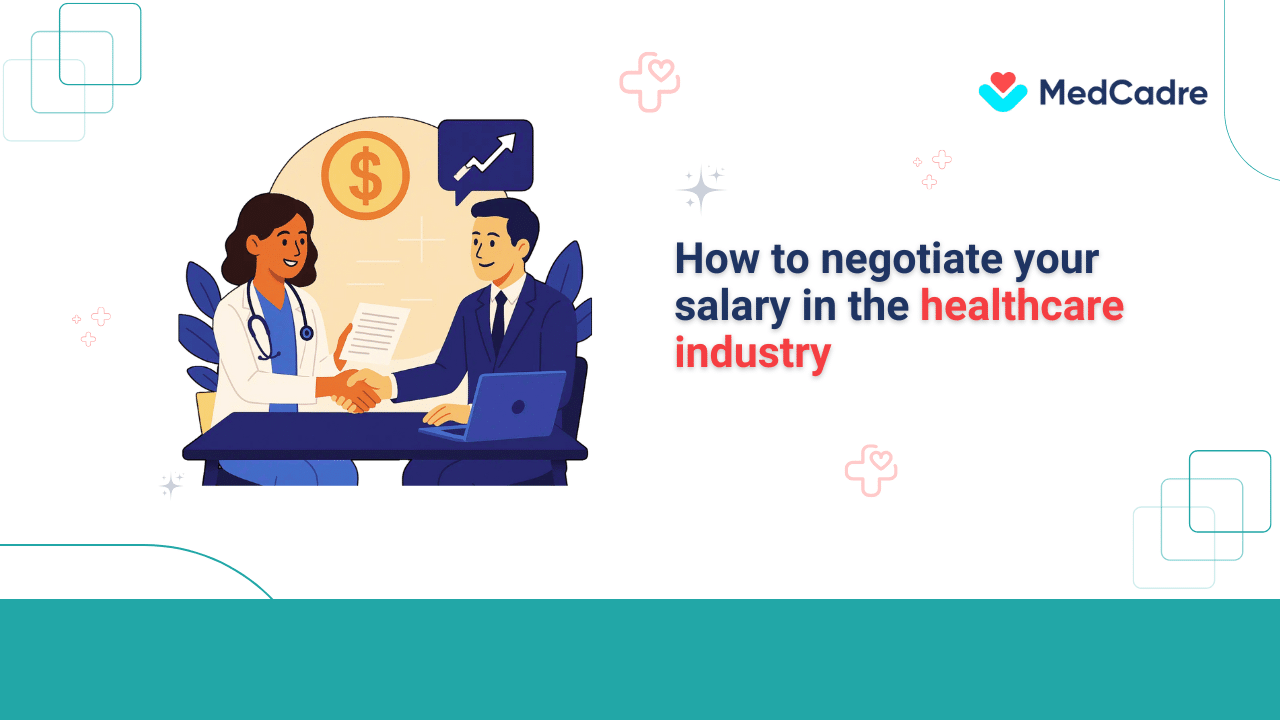
Healthcare is one of the most important and demanding fields today. Learning effective salary negotiation strategies in healthcare is vital for every professional. Many nurses, nurse practitioners, and allied staff dedicate long hours to patient care.
Their pay should reflect the skills and responsibilities they carry. Sadly, many still do not receive fair wages for their work. Learning salary negotiation healthcare strategies lets you understand your real worth.
It helps you request fair pay in a strong and clear way. This blog explains how to prepare, when to ask, and which strategies can support lasting career progress.
Understanding the salaries in healthcare
Healthcare salaries are influenced by numerous factors. The most important one is location, since pay varies greatly in urban and rural settings. Certain specializations, such as registered nursing or advanced practice nursing, also command higher salaries due to high demand. Knowing these factors helps you set realistic goals before entering salary negotiation talks as a nurse.
It is also important to separate pay types. Base pay, bonuses, and benefits all matter, but play different roles. Employers may offer overtime, tuition help, or sign-on bonuses. These extras are helpful, but do not replace fair base pay. Professionals should compare salary benchmarks across states to ensure they are being paid a fair wage.
This knowledge builds confidence when having compensation discussions with employers. An infographic related to RN’s salaries is included below for a clearer view of healthcare salaries across U.S. states.
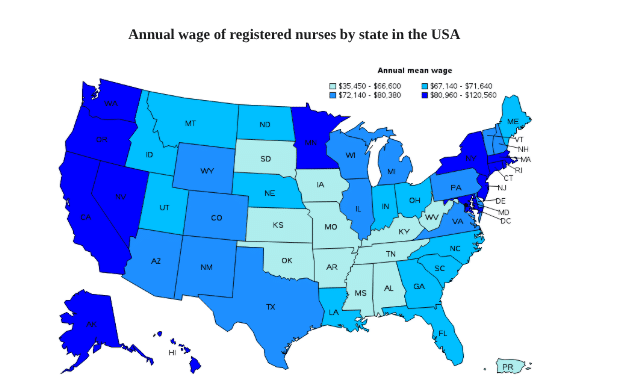
Source: www.bls.gov
Research and preparation before negotiation
Preparation is the most powerful tool for negotiation. For example, apply thorough research when negotiating travel nurse pay or when you apply for nurse job roles. Use reliable sources such as the Bureau of Labor Statistics or salary surveys to support your research.
Asking peers for perspective is another strong step toward preparing a better CV that highlights your strengths and matches employer expectations.
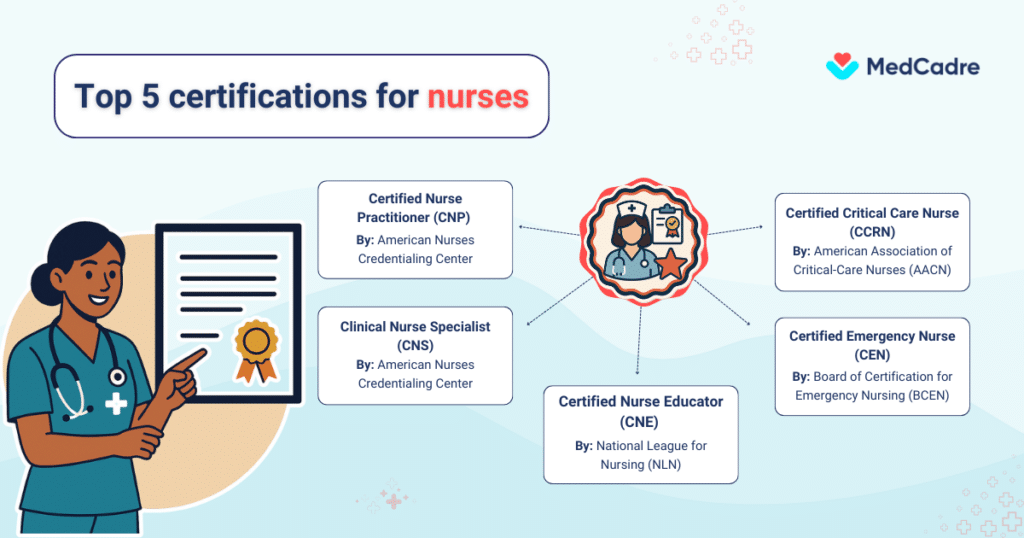
Employers have limits based on budgets and payment models. Learning these limits helps you make fair requests without seeming unreasonable. Do not forget your own value. Certifications, years of service, leadership ability, or even speaking a second language strengthen your case. Presenting yourself as a valued professional makes the discussion smoother and more effective.
Also read: How to prepare a CV for a travel nurse job: top 5 must-haves
Strategies for successful salary negotiation
Knowing when to negotiate is as vital as how to do it. The best times include a new job offer, after big achievements, or during reviews. Negotiating NP salary at a job offer is often easier before accepting the role.
Confidence is key. Speak respectfully, but state your value clearly and with ease. Focus on what you give the team rather than your own financial needs. Avoid mistakes such as accepting the first offer too quickly, ignoring other compensation, or skipping salary research. Staying professional and calm increases your chances of getting fair pay.
Mistakes to avoid include:
- Accepting the first offer without checking market salaries
- Ignoring benefits outside of salary, such as bonuses or training
- Entering negotiations without salary data to support requests
Considering limitations beyond salary
For healthcare roles such as nurses, salary is only one part of the compensation. Benefits such as healthcare, retirement, and paid leave time increase overall value.
For example, when negotiating salary as a new grad nurse practitioner, research which states offer competitive pay. You can also ask for benefits like funding for conferences or specialized training, which support professional growth and personal savings.
Work-life balance is another factor to consider. Flexible schedules, remote options, or preferred shifts help reduce burnout. Tuition reimbursement or certification support can boost lifelong career progress. Always review the full benefits package so you do not miss hidden value.
Also read: Top states hiring nurses and allied health professionals right now
Long-term career growth and salary advancement
Salary negotiation is not a one-time step. It continues across your career. Aligning personal goals with salary discussions helps increase pay gradually. Leading projects, mentoring, or quality work can all support future raises.
Continuing education also creates lasting benefits. Extra certifications, advanced degrees, or specialized training can lead to long-term pay growth. Networking with peers in your specialty, such as a registered nurse or nurse practitioner, may open higher-paying opportunities.
Practicing salary negotiation skills for colleagues, employees, and employers in healthcare builds strong habits. With preparation and confidence, your skills will grow and your career will thrive. This effort ensures that challenges in the profession never stop you from moving ahead.
The role of staffing platforms in healthcare salary negotiation
Negotiating salary in the healthcare sector is a vital skill for every professional. By employing effective salary negotiation strategies and highlighting your certifications and qualifications, you can enhance your position.
This helps you secure better pay in healthcare roles. However, this is only one side of the coin. The other side depends on the staffing platforms you choose when making a career transition.
Many professionals first turn to free portals, but these often fail to provide quick job matches. Traditional staffing agencies are another common option, yet they come with challenges. Some agencies take a large cut of your pay, while others lack transparency or limit your choice of locations. These drawbacks prevent healthcare professionals from finding the right opportunities at the right time.
For example, professionals still face challenges even when they apply for LPN jobs that require strong salary negotiation skills in the healthcare sector.
To overcome these challenges, partnering with a modern staffing platform like MedCadre offers the best solution. MedCadre’s advanced system is designed to support healthcare professionals in finding quick placements in desirable locations. By visiting the current openings page or submitting your resume, you can access opportunities more quickly and with greater confidence.
Benefits of MedCadre include:
- Flexible application process that lets you manage your job search at your own pace
- Transparent pricing that ensures a larger share of the billing rate goes directly to you
- An AI-driven platform that speeds up credentialing by nearly 30%, helping you start assignments on time
- AI-integrated timesheet that ensures prompt approvals and accurate, on-time payments
By combining strong salary negotiation skills with the right staffing partner, you take control of both your pay and your career path. MedCadre empowers healthcare professionals to achieve the balance between fair compensation and meaningful job opportunities.
FAQs
Why is salary negotiation in healthcare important for professionals?
Salary negotiation in healthcare is crucial because it ensures your pay matches your skills, responsibilities, and effort. It also helps you achieve financial stability and supports long-term career growth.
How can I prepare for negotiating travel nurse pay?
To prepare for negotiating travel nurse pay, begin by researching salary benchmarks and checking reliable pay surveys. You can also ask peers in similar roles, so you enter discussions with confidence and strong evidence.
What mistakes should I avoid in salary talks?
When discussing salary, avoid common mistakes such as accepting the first offer too quickly or overlooking important benefits. Always come prepared with solid market salary data to help secure fair compensation.
Does MedCadre ensure fair compensation?
Yes. MedCadre ensures fair compensation because its transparent pricing guarantees a larger share of the billing rate goes directly to professionals, making salary negotiation in healthcare more effective and rewarding.
Does MedCadre help me find jobs in my preferred location?
Absolutely. MedCadre’s smart platform is designed to match you with jobs in desirable locations quickly and effectively. Making it easier to combine strong salary negotiation strategies with flexible career opportunities.