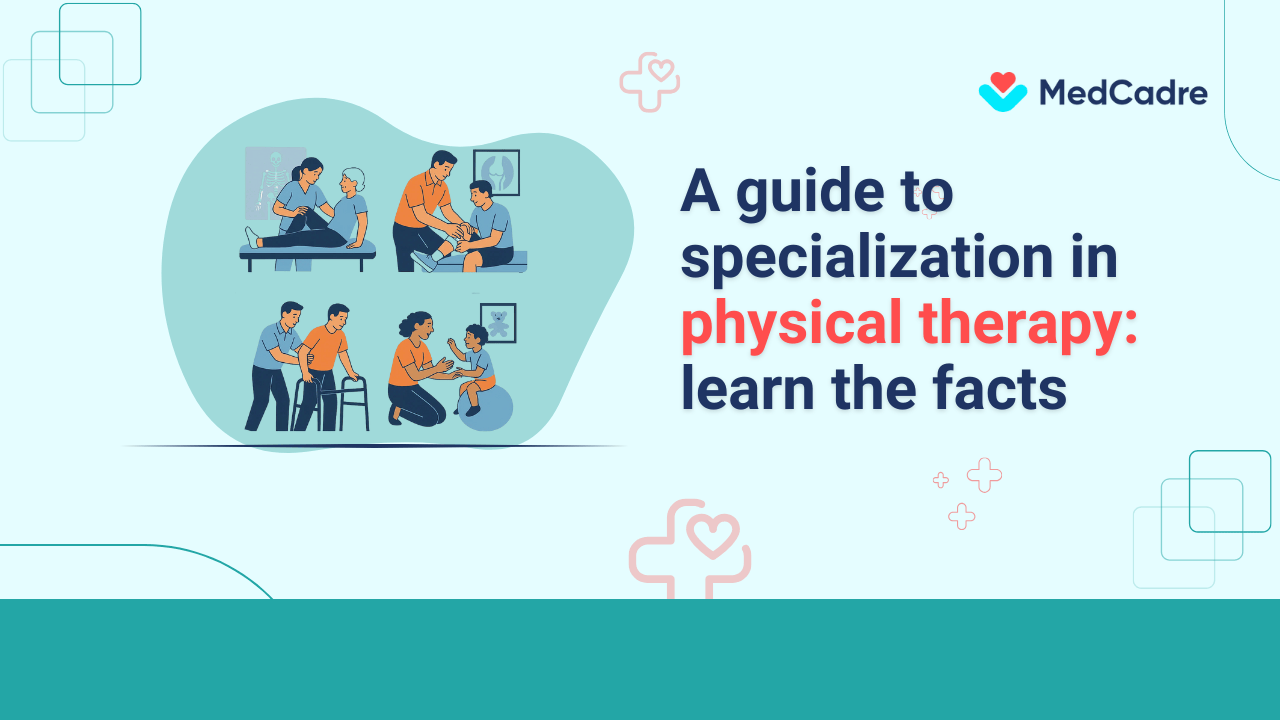
Physical therapy, a crucial component of healthcare, encompasses a wide range of treatments aimed at improving patients’ mobility, strength, and overall quality of life. As the field continues to evolve, many physical therapists (PTs) find themselves drawn to specialized areas of practice. But what does specialization entail? Is it necessary? This guide delves into the facts about specialization in physical therapy, offering insights for both budding and seasoned professionals.
Additionally, this blog post has explained how specialization promotes professional advancement and allows PTs to gain greater recognition as skilled professionals. For many individuals, pursuing a specialization opens doors to leadership roles and research opportunities. By developing advanced skills in their fields, PTs may also see an increase in their physical therapist salary. In conclusion, pursuing a specialization in physical therapy enables PTs to develop expertise that meets the needs of their patients, while supporting long-term career growth and professional aspirations.
Understanding the need for physical therapy specialization
The healthcare industry is vast, and as patient needs become more diverse, so do the areas of expertise required to address them. Specialization allows PTs to hone their skills, develop deeper knowledge in specific areas, and provide targeted care. Moreover, specialized physical therapist assistants often command higher salaries and enjoy increased job satisfaction.
Moving beyond the basic duties of a PT helps develop a strong sense of confidence in providing patient care and fosters a healthy level of competitiveness when seeking positions, such as when considering how to find physical therapist jobs near me.
Furthermore, being engaged in a specialty area within physical therapy empowers caretakers with more recognized positions in areas of practice beyond their generalities.
Types of specializations in physical therapy
Specializations in physical therapy enable PTs to navigate their careers while meeting the needs of patients in distinct physical therapy programs. Many practice areas exist in physical therapy, presenting both challenges and rewards, ranging from pediatrics to geriatrics. In a variety of practice areas, it is possible to develop one’s clinical skill set and, at the same time, enhance a PT’s employability.
Many employers prefer candidates who hold a physical therapy certification in their chosen field, making specialization both a professional and financial investment. Moreover, aligning expertise with personal passion can provide long-term career satisfaction. A detailed infographic is also provided in this blog to give a clearer understanding of the various specializations in physical therapy.

Educational and clinical requirements
For anyone considering a career in a specialty area, earning a degree in physical therapy is the first step in ensuring a solid education and clinical foundation. Within that entry-level educational venture, PTs may pursue residencies or fellowships to build upon and develop their clinical expertise. Obtaining a physical therapy certification will not only demonstrate that a PT has clinical knowledge and depth, but it will also support elevating a PT’s professional credentials.
Achieving specialization requires a combination of advanced education, clinical experience, and certification:
- Advanced education: Many specialization areas necessitate postgraduate coursework, residencies, or fellowships.
- Clinical experience: PTs must accrue a set number of clinical hours in their chosen specialization.
- Certification: After meeting educational and clinical requirements, PTs can pursue certification through recognized organizations such as the American Board of Physical Therapy Specialties (ABPTS).
This added credentialing supports career growth by strengthening job opportunities, increasing salary potential, and increasing recognition of PTs as higher-level professions among other allied healthcare professionals.
Benefits of specializations
The option of practicing in a specialty area not only expands the PT’s total clinical knowledge and experiences, but it also enhances their performance for potential promotion, whether professional or financial. In most specialized practice areas, such as geriatric physical therapy, PTs often earn a higher physical therapist salary, especially if working in an area of high demand.
PTs with physical therapy specialty certification can also distinguish themselves when searching for jobs, as various physical therapist professions are competing. Specialization ensures career choice aligns with true passion, which makes a considerable difference in overall motivation and career progression.
Opting for specialization offers numerous advantages:
- Enhanced expertise: Specialization allows PTs to become masters in their chosen area, ensuring optimal patient outcomes.
- Increased marketability: Employers and patients alike value specialized expertise, making PTs with specialized training more marketable in the healthcare industry.
- Career advancement: Specialized PTs often enjoy greater career opportunities, including leadership roles, academic positions, research opportunities, and better salaries.
Healthcare professionals often earn better salaries after completing their specializations. Once you have completed your specialization and are seeking a job that aligns with your expertise, it is essential to understand the salary landscape. Below, you can find detailed information about salaries across all states in the USA.

Source: www.bls.gov
Challenges and considerations
Although the advantages of specialization are clear, aspiring PTs should also consider the challenges. Specialized education requires considerable time and money, even with a degree in physical therapy. PTs must commit to continuing education to prevent certification expiration, while also investing in staying informed about upcoming knowledge sets, models, or treatments of interest.
While specialization offers numerous benefits, it’s essential to consider potential challenges:
- Time and financial commitment: Pursuing specialization demands significant investment.
- Continuous learning: Healthcare is a dynamic field, with new research and techniques emerging regularly.
- Niche market: Depending on the specialization, a physical therapist may limit their patient base
Continuing education and recertification
Specialization requires lifelong obligations and commitments. PTs need ongoing continuing education to maintain a valid physical therapy certification. Regular recertification is needed to measure best practices, standards of care, and to incorporate innovation in treatment.
Those who are engaged in ongoing learning appear to be more agile and competitive in the changing healthcare marketplace. This ongoing learning commitment enhances knowledge of credentialing processes, solidifies career continuity, and boosts confidence, ultimately leading to an improved salary for physical therapists.
Guidance for aspiring specialized PTs
Aspiring PTs should consider how a specialization in physical therapy aligns with their goals and aspirations. Speaking with seasoned clinical mentors provides valuable insights into both opportunities and challenges.
Finding a physical therapist job can provide insight into the demands for various specialties in local markets. While specialized training is important, maintaining a generalist skill set is also valuable.
For those considering specialization, a strategic approach is essential. Here are some guiding principles:
- Identify your passion: Reflect on your interests and patient populations that resonate with you.
- Seek mentorship: Connect with experienced PTs for insights and guidance.
- Stay informed: Keep up with the latest research, conferences, and educational opportunities.
- Balance specialization with general competence: Strive for versatility while building expertise.
Shaping your career path with smarter staffing platforms
As experienced healthcare working professionals planning for professional growth, you can follow the guidance that best suits your journey. However, it is important to remember that completing specializations in physical therapy or other advanced areas is not the complete solution for career growth. True progress comes when you land a job that matches your specialization, and for that, you must apply for better jobs using reliable staffing platforms.
While planning to use staffing platforms, it is critical to avoid partnering with traditional staffing agencies. These agencies often come with hidden fees, limited transparency, slower credentialing, and a less focused approach to your long-term career needs. To avoid these hurdles and secure a well-paid job that truly fits your requirements, it is best to choose modern healthcare staffing platforms like MedCadre.
MedCadre is a dedicated healthcare staffing platform that offers better solutions for job seekers:
- MedCadre’s flexible application process enables you to manage your job search seamlessly while maintaining your current responsibilities at your own pace.
- Its transparent pricing structure guarantees that a significant portion of the billing rate is allocated to your compensation.
- The AI-driven platform accelerates the credentialing process by nearly 30%, ensuring that you commence your assignment punctually.
- The AI-integrated timesheet facilitates prompt approvals, ensuring that all payments are received accurately and in a timely manner.
For healthcare professionals exploring new opportunities, creating a strong profile is just as important as your specialization. As an experienced professional, you will surely have a well-structured resume that helps you stand out from other applicants. To stay ahead in your job search, regularly visit the current job openings page in MedCadre, and remember you can also submit a resume for consideration.
FAQs
How do I address employment gaps in my resume as an experienced physical therapist?
Briefly explain the gaps and highlight how you maintained your skills, such as through continuing education, certifications, or volunteering. Employers appreciate honesty paired with evidence of ongoing professional development.
Is specialization important when applying for physical therapy positions?
Yes, specialties such as orthopedics, geriatrics, or sports therapy can enhance your profile and increase your opportunities. Specialized skills demonstrate focused expertise that many clinics and hospitals urgently seek.
What is the best way to manage licensure if I want to practice in multiple states?
As an experienced professional, you can start by obtaining a compact state license if available. For others, begin the licensing process early and highlight your multi-state licensure eligibility on your resume to strengthen your profile.
How does MedCadre support timely credentialing for experienced physical therapists?
MedCadre’s AI-powered platform accelerates credentialing by nearly 30%, reducing delays and allowing you to start work faster compared to traditional staffing agencies or platforms.
Does MedCadre support physical therapists seeking both full-time and contractual jobs, based on the requirements of healthcare professionals?
Yes. MedCadre, a modern healthcare staffing platform, offers access to both contractual and full-time placements, enabling physical therapists to strike a balance between their personal and professional lives.